

Failing Hip Replacement
THE PAINFUL OR FAILING HIP REPLACEMENT
Hip replacement surgery is generally very successful, with most patients experiencing lasting pain relief and improved mobility. However, some individuals may continue to experience discomfort or stiffness in the months or years following surgery. In other cases, a hip replacement that initially functioned well may begin to loosen, wear, or fail over time.
Not all hip pain after joint replacement indicates failure. In some cases, the pain may be related to soft tissue irritation, referred pain from another part of the body, or changes in joint mechanics. A thorough assessment is essential to determine the cause of your symptoms and whether further treatment is needed.
Dr Darren Paterson provides comprehensive evaluation and management of painful or failing hip replacements, including revision surgery where appropriate.
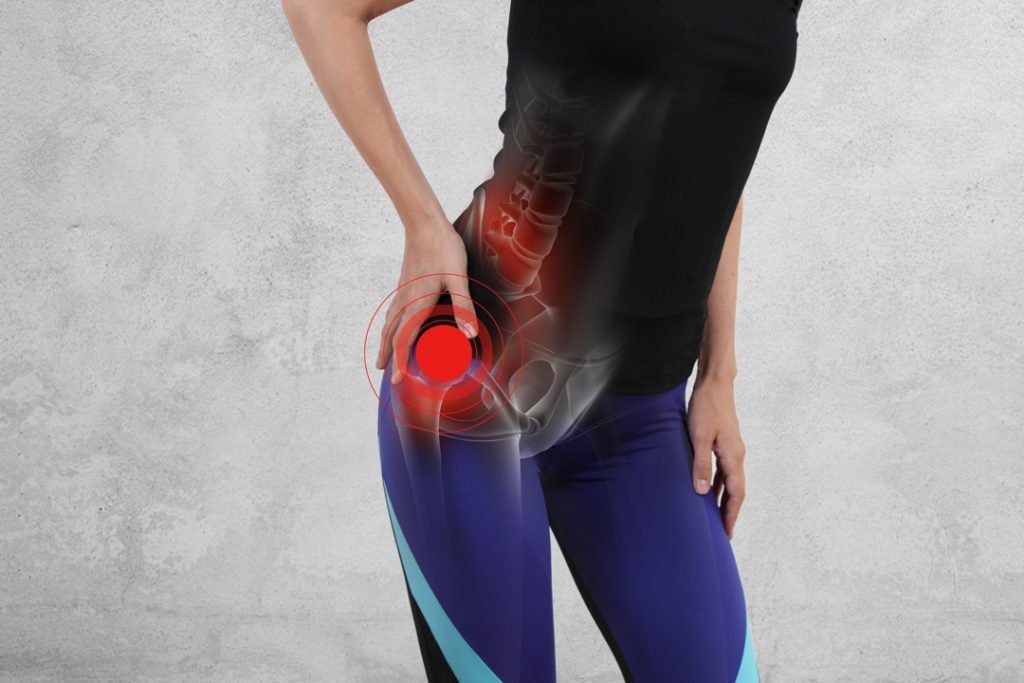
Common causes of hip pain after replacement
Possible causes include:
- Bursitis or inflammation of the soft tissues around the hip
- Tendon or muscle irritation, especially in the early stages of recovery
- Referred pain from the lower back, pelvis, or sacroiliac joint
- Leg length difference or altered biomechanics after surgery
- Scar tissue or joint stiffness
- Hip instability or clicking sensations
- Implant loosening, wear, or infection
Signs that your hip replacement may be failing
Symptoms that may suggest implant failure include:
Postural Changes or Uneven Leg Length
This refers to hip pain that continues over time and may get more severe, especially during activities like walking, bending, or climbing stairs.
Stiffness and Limited Range of Motion
The hip may feel stiff, making it harder to move the leg freely in certain directions.
Hip Swelling, Warmth, or Redness
Swelling and warmth occur when the body responds to joint irritation or damage, and redness may indicate more severe infection.
Ongoing or worsening hip pain
You may feel the hip is unstable, wobbly, or hear/feel a clicking sound when you move.
Difficulty Walking or Bearing Weight
Pain and instability can make walking challenging, especially when placing weight on the affected leg.
Postural Changes or Uneven Leg
Over time, damage to the hip joint may cause changes in posture or make one leg appear shorter than the other.
What causes a hip replacement to fail?
Common causes include:
1. Aseptic loosening:
This occurs when the bond between the implant and the surrounding bone weakens over time without infection. It is one of the most common causes of late failure.
2. Wear and tear:
The artificial joint surfaces may wear down, particularly in younger or highly active patients.
3. Joint infection:
An infection around the implant (periprosthetic joint infection) can lead to pain, inflammation, and implant loosening.
4. Component misalignment or damage:
Incorrect positioning or deterioration of the prosthetic parts can affect how the joint functions.
5. Periprosthetic fracture:
A fracture that occurs near the implant, often after a fall or trauma.
6. Dislocation or instability:
The ball component may slip out of the socket, especially if the surrounding muscles or ligaments are weak or the implant position has shifted.
What causes a hip replHow is a painful or failing hip replacement diagnosed to fail?
Investigations may include:
X-rays
To evaluate implant position, bone quality, and signs of loosening
Blood tests
To check for signs of inflammation or infection
Joint aspiration
A small amount of fluid may be drawn from the hip joint to rule out infection
CT or MRI scans
May be used to assess bone integration, surrounding soft tissues, or subtle issues not visible on X-ray
These tests help guide your treatment plan and determine whether revision surgery is necessary.
Treatment options for hip pain following hip replacement
- Non-surgical management
Not every painful hip replacement requires further surgery. In cases where symptoms are mild and the implant is functioning well, non-operative strategies may provide relief. These may include:
- Physiotherapy to strengthen surrounding muscles and improve joint support
- Anti-inflammatory medications for pain management
- Activity modification to reduce strain on the hip
- Injections to reduce inflammation or treat bursitis
- Use of a walking aid for improved stability and comfort
- Revision hip replacement surgery
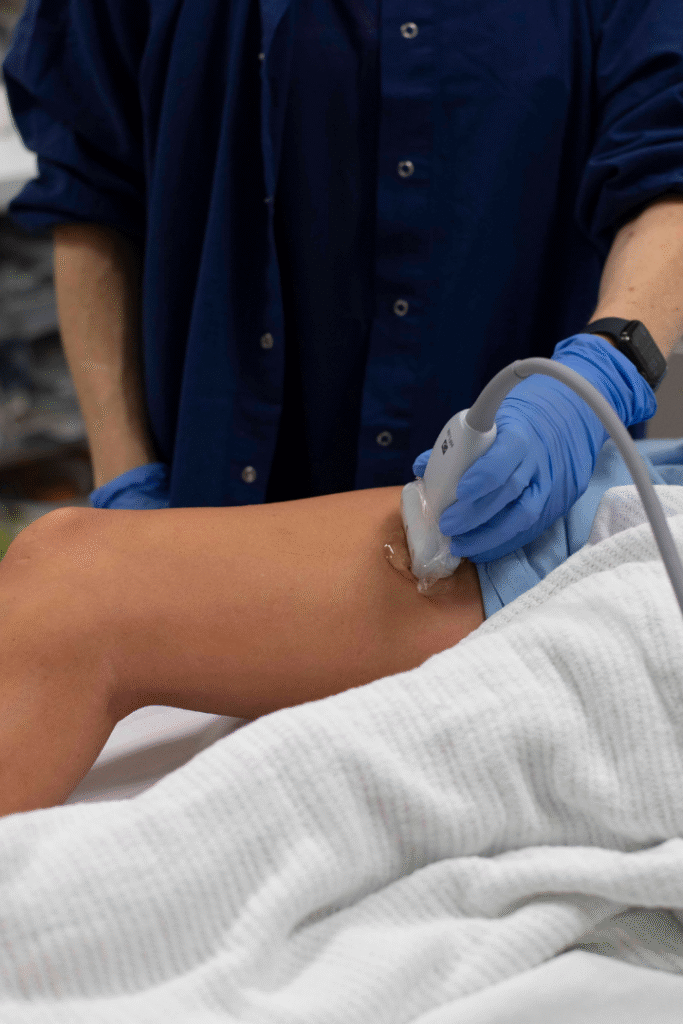
If the implant is worn, loose, or infected, or if the joint has become unstable or painful despite non-surgical treatment, revision hip replacement surgery may be recommended. Revision surgery involves removing some, or all of the original prosthetic components and replacing them with new implants. This procedure is typically more complex than a first-time hip replacement and requires careful planning and advanced surgical techniques.
Recovery following revision surgery varies depending on the reason for surgery and the complexity of the case. Most patients stay in hospital for a few days and begin physiotherapy soon after. You may require crutches or a walking aid for a period of time, followed by a gradual return to activity.
Dr Paterson performs revision hip replacement using evidence-based surgical techniques and prosthetic systems designed for durability, bone integration, and joint stability.
When to seek a review for hip pain after hip replacement