


Knee Arthritis
Understanding the causes of knee pain, stiffness, and loss of function due to joint degeneration
KNEE ARTHRITIS
Knee arthritis is a common condition that affects the smooth movement of your knee joint, leading to pain, swelling, stiffness, and reduced mobility. It often develops gradually and can make it difficult to perform daily activities like walking, bending, or climbing stairs. While there is no cure for arthritis, many treatment options are available to help manage your symptoms, preserve joint function, and maintain your quality of life.
Dr Darren Paterson offers a thorough assessment of knee arthritis and works closely with each patient to develop a personalised treatment plan.
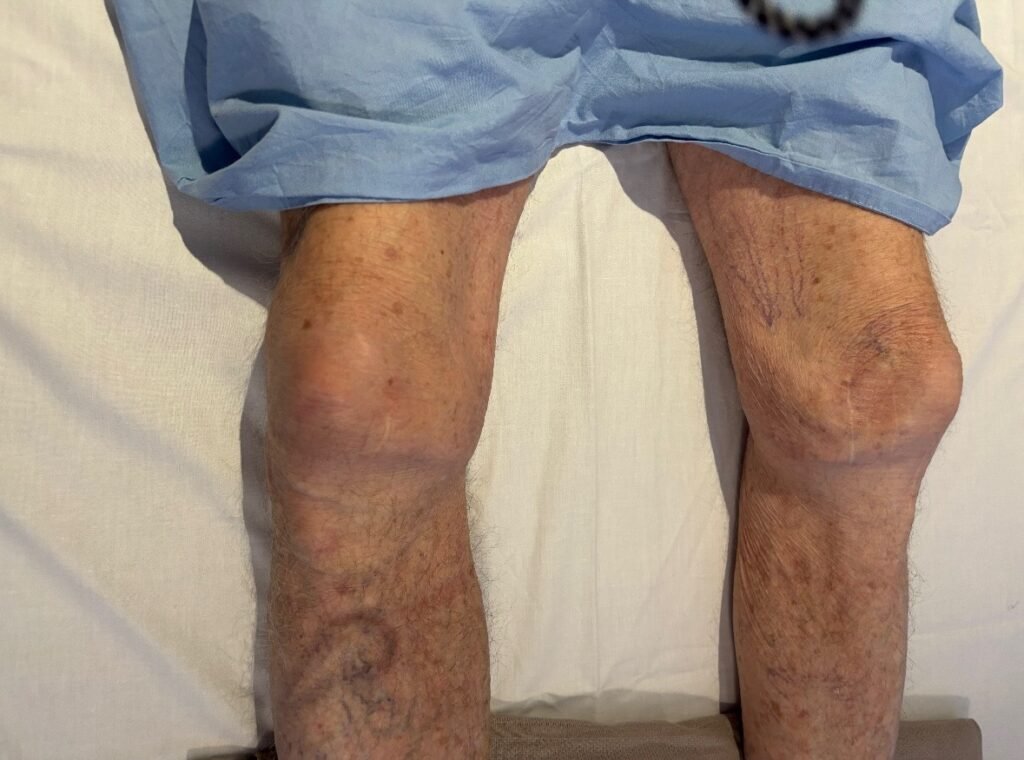
Types of arthritis that affect the knee
Several different types of arthritis can affect the knee joint, each with its own causes and patterns of progression. The most common include:
- Osteoarthritis: The most common type, osteoarthritis typically affects people over 50. It occurs gradually as the cartilage in the knee wears down due to age, previous injury, or joint overload.
- Rheumatoid arthritis: An autoimmune condition in which the immune system attacks the lining of the joints (synovium), causing pain, swelling, and joint damage.
- Post-traumatic arthritis: Arthritis that develops after an injury to the knee, such as a fracture, ligament tear, or meniscal damage. Even with successful healing, these injuries can increase the risk of long-term cartilage degeneration.
- Other inflammatory types: Conditions such as psoriatic arthritis, gout, and lupus may also cause inflammation and damage within the knee joint.
Types of arthritis that affect the knee
Several different types of arthritis can affect the knee joint, each with its own causes and patterns of progression. The most common include:
Osteoarthritis
Rheumatoid arthritis
Post-traumatic arthritis
Other inflammatory types
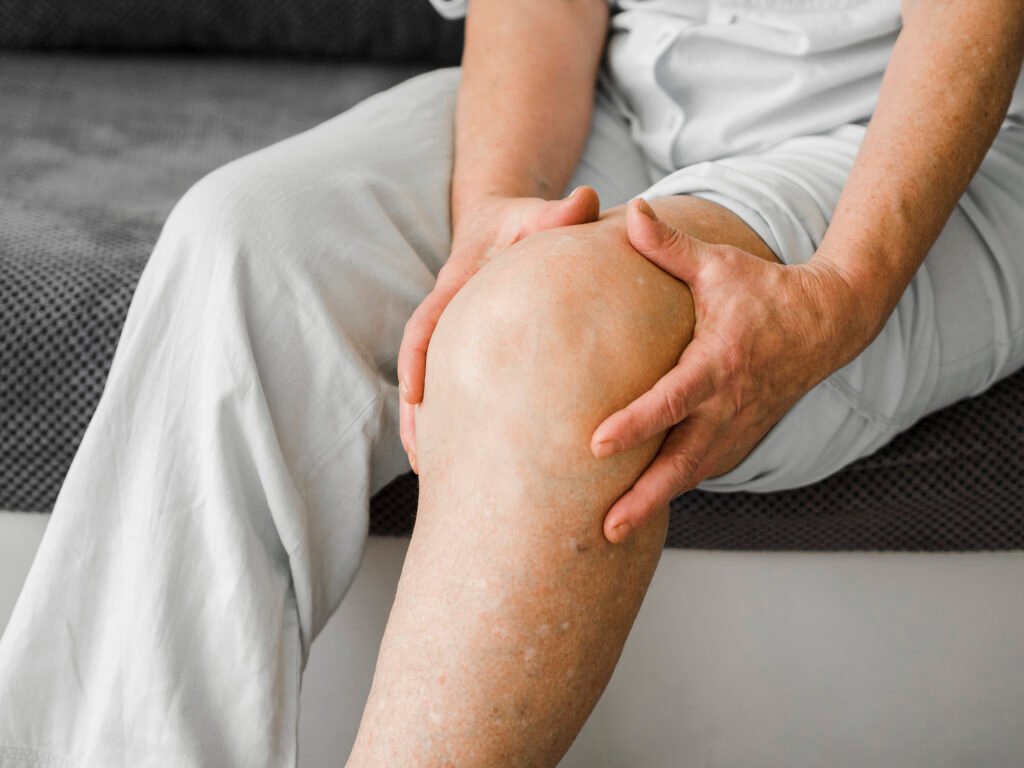
Symptoms of knee arthritis
Symptoms may develop slowly and become more noticeable over time. Some people experience episodes of flare-ups, while others have persistent discomfort. Common symptoms include:
- Pain in or around the knee joint, especially with movement or weight-bearing
- Morning stiffness or stiffness after periods of inactivity
- Swelling or warmth in the knee
- Grinding, clicking, or locking during movement
- Reduced ability to fully straighten or bend the knee
- Difficulty walking, standing, or using stairs
In more advanced cases, knee deformity (bowing or knock-knee appearance) may occur due to uneven joint wear.
How knee arthritis is diagnosed
A careful history, physical examination, and imaging are used to confirm the diagnosis and assess the severity of the condition.
Dr Paterson may recommend:
- X-rays to evaluate joint space narrowing, bone spurs, and alignment
- MRI to assess soft tissues and cartilage in more detail (if needed)
- Blood tests to rule out autoimmune or inflammatory arthritis
- Joint aspiration in some cases to test for infection or crystal-related arthritis (such as gout)
Understanding the type and extent of arthritis helps guide the best course of treatment.
Non-surgical treatment options for knee arthritis
Many patients with mild to moderate arthritis can manage their symptoms effectively without surgery. Your treatment plan will be tailored to your lifestyle, joint condition, and overall health.
Non-surgical options may include:
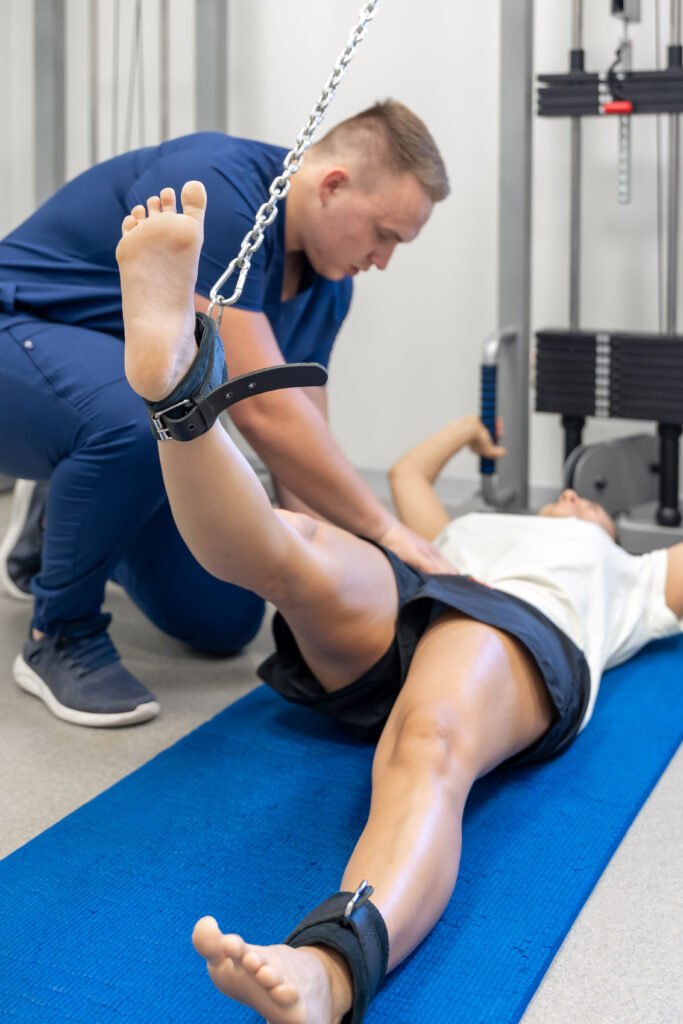
- Physiotherapy: Exercises to strengthen the muscles around your knee and improve joint function
- Anti-inflammatory medications: To relieve pain and reduce inflammation (e.g. NSAIDs)
- Weight management: Reducing excess weight helps decrease the load on the knee joint
- Walking aids or bracing: To offload pressure and improve stability
- Activity modification: Avoiding high-impact activities that worsen symptoms
- Joint injections: Corticosteroid injections for temporary pain relief during flare-ups or Hyaluronic acid injections (viscosupplementation) in selected cases to lubricate the joint
- These strategies aim to delay the need for surgery and maintain your mobility for as long as possible.
Surgical options for knee arthritis
If arthritis progresses and symptoms significantly interfere with your daily life, surgical treatment may be considered. Surgery is generally recommended when:
- Non-surgical treatments are no longer effective
- Pain prevents you from walking, sleeping, or performing daily tasks
- Your knee becomes unstable or severely deformed
- Imaging confirms advanced joint degeneration
Dr Paterson offers a range of surgical solutions based on the location and extent of joint damage, as well as your age, activity level, and overall health.
Common surgical procedures include:
- Knee arthroscopy: A minimally invasive procedure used to treat early-stage arthritis in selected cases, often combined with treatment of meniscal tears or cartilage damage.
- Partial knee replacement: Suitable when arthritis affects only one part (compartment) of the knee. Preserves more of your natural joint and may result in faster recovery.
- Total knee replacement: Recommended for patients with widespread arthritis affecting multiple areas of the knee. The damaged joint surfaces are replaced with smooth, artificial components to restore function and relieve pain.
- Knee Osteotomy: A realignment procedure used in younger patients to shift weight away from the damaged area of the knee and preserve the joint.
With appropriate treatment, many people living with knee arthritis can manage their symptoms and maintain a good level of activity.
Recovery and long-term outlook for knee arthritis
Many patients want to know whether knee arthritis can be reversed or cured. While arthritis is a long-term condition and the damage to joint cartilage cannot naturally repair itself, there are effective ways to manage symptoms, improve mobility, and slow progression. With the right treatment plan, many people continue to lead active, fulfilling lives for years, often without surgery.
Can knee arthritis go away on its own? Knee arthritis does not heal on its own. Once cartilage is worn away, the joint cannot regenerate that tissue naturally. Early intervention, such as targeted physiotherapy, weight management, and low-impact exercise can, however, often reduce pain, improve function, and delay the need for surgery.
Can you fully recover from knee arthritis? While there is no permanent cure, many patients successfully manage their symptoms with non-surgical care. If pain and stiffness become severe and significantly impact daily life, knee replacement surgery may provide long-term relief. Recovery after surgery varies from person to person, but most people notice a marked improvement in comfort, strength, and mobility.
What happens after surgery? Does arthritis come back? In a total knee replacement, the damaged joint surfaces are replaced with smooth, artificial components, so arthritis cannot return in those areas. If only part of the knee is replaced (partial knee replacement), arthritis may still develop in the remaining sections over time. Dr Darren Paterson will discuss the pros and cons of each surgical option and recommend a treatment plan suited to your age, activity level, and degree of joint damage.
Most patients with knee arthritis can expect to:
- Manage their condition effectively with ongoing care
- Maintain independence and daily activity
- Return to walking, driving, and recreational activities after surgery
- Benefit from long-lasting results, particularly when surgery is well-timed
Recovery and long-term outlook for knee arthritis
Many patients want to know whether knee arthritis can be reversed or cured. While arthritis is a long-term condition and the damage to joint cartilage cannot naturally repair itself, there are effective ways to manage symptoms, improve mobility, and slow progression. With the right treatment plan, many people continue to lead active, fulfilling lives for years, often without surgery.
Can knee arthritis go away on its own?
Knee arthritis does not heal on its own. Once cartilage is worn away, the joint cannot regenerate that tissue naturally. However, early intervention—such as targeted physiotherapy, weight management, and low-impact exercise—can often reduce pain, improve function, and delay the need for surgery.
Can you fully recover from knee arthritis?
While there is no permanent cure, many patients successfully manage their symptoms with non-surgical care. If pain and stiffness become severe and significantly impact daily life, knee replacement surgery may provide long-term relief. Recovery after surgery varies from person to person, but most people notice a marked improvement in comfort, strength, and mobility.
What happens after surgery?
Does arthritis come back? In a total knee replacement, the damaged joint surfaces are replaced with smooth, artificial components, so arthritis cannot return in those areas. If only part of the knee is replaced (partial knee replacement), arthritis may still develop in the remaining sections over time. Dr Darren Paterson will discuss the pros and cons of each surgical option and recommend a treatment plan suited to your age, activity level, and degree of joint damage.
Most patients with knee arthritis can expect to:
- Manage their condition effectively with ongoing care
- Maintain independence and daily activity
- Return to walking, driving, and recreational activities after surgery
- Benefit from long-lasting results, particularly when surgery is well-timed
When to seek a review for knee arthritis or ongoing pain
It’s not always easy to know when knee pain is serious enough to require specialist attention. If your symptoms are interfering with your ability to walk, work, exercise, or sleep, it may be time to seek a review.
You should consider seeing Dr Paterson if you experience:
- Persistent pain that lasts longer than a few weeks or keeps returning
- Swelling in or around the joint that does not settle with rest or medication
- Stiffness that limits your ability to bend, straighten, or move comfortably
- Grinding or catching sensations when you walk or bend your knee
- A feeling of instability or the knee “giving way”
- Difficulty with everyday tasks such as climbing stairs, standing up from a chair, or walking more than a few hundred metres
Even if your symptoms are relatively mild, early intervention can help slow the progression of arthritis, protect your joint, and reduce the risk of future surgery. It’s important to remember that not all knee pain means surgery is required. Dr Darren Paterson will provide a thorough assessment and help you explore non-surgical treatment options where appropriate. If surgery becomes necessary, he will guide you through each step of the process with a personalised care plan tailored to your goals and lifestyle.